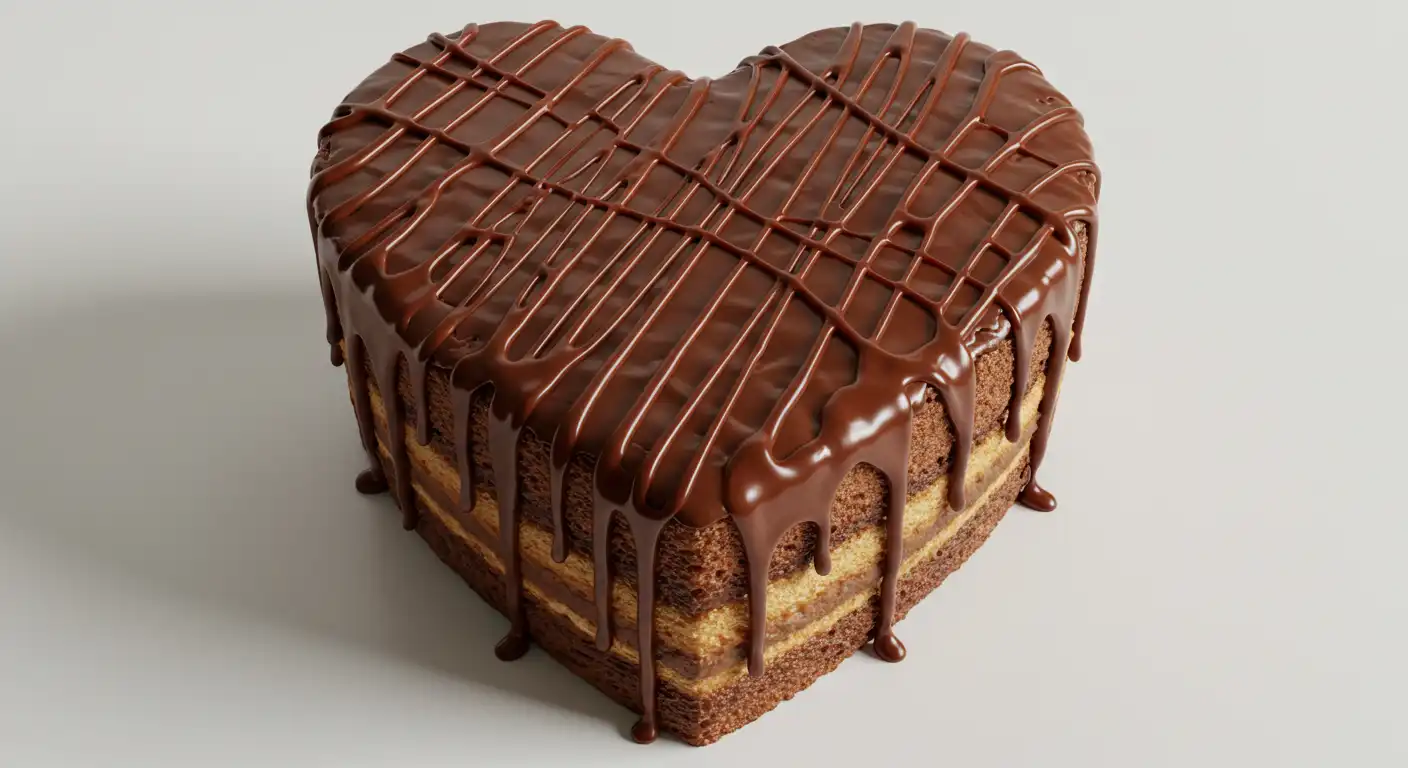
Master Heart Cake Designs: 10 Easy Ways to Wow Everyone
Whether you're celebrating an anniversary, expressing love on Valentine's Day, or simply adding a touch of romance to a special gathering, a beautifully crafted heart cake is a universally adored centerpiece. Far from being a daunting task reserved for professional bakers, creating stunning, Instagram-worthy heart cake designs is more accessible than you might think. With the right tools, quality ingredients, and a dash of creativity, you can transform simple elements into edible works of art that are guaranteed to elicit gasps of delight and appreciative "wows!" from everyone. This comprehensive guide is designed to empower you, whether you're a budding baker or a seasoned enthusiast, to master a variety of heart cake techniques. We'll delve into the essential foundations, explore achievable design ideas, and sprinkle in professional tips and tricks to ensure your next romantic confection looks as incredible as it tastes.The Foundation of a Flawless Heart Cake: Tools & Ingredients
Before you can pipe a perfect rosette or achieve a mesmerizing mirror glaze, you need to equip your kitchen with the right arsenal. Just as a sculptor needs their chisels, a cake artist relies on specific tools and superior ingredients to bring their vision to life.Essential Baking Equipment:
- Heart-Shaped Cake Pan: This is non-negotiable! The Wilton Heart-Shaped Cake Pan is often considered the industry standard for its even heat distribution and non-stick coating, ensuring your cake bakes uniformly and releases cleanly. Consider a 9-inch pan for standard recipes, or a set of graduated sizes for impressive tiered creations.
- Stand Mixer: While not strictly essential, a good stand mixer significantly reduces effort when creaming butter, whipping egg whites, and mixing batters, ensuring consistent results.
- Parchment Paper & Non-Stick Spray: Even with a non-stick pan, lining the bottom with parchment paper and giving the sides a light spray offers extra insurance against sticking.
- Cooling Rack: Essential for allowing your cakes to cool completely and evenly, preventing condensation that can lead to soggy bottoms.
Professional-Grade Decorating Tools:
Investing in quality decorating tools makes a world of difference in the finish of your heart cake.
- Offset Spatulas: Crucial for smoothly spreading frosting, both large and small offset spatulas will become your best friends.
- Piping Bags & Tips: A variety of tips (round, star, leaf, petal) allow for endless design possibilities with buttercream. Brands like Ateco and PME are renowned for their durability and precision.
- Bench Scraper/Icing Smoother: For achieving those coveted sharp edges and perfectly smooth sides on your frosted cake.
- Cake Turntable: A rotating stand makes frosting and decorating incredibly efficient and helps achieve a uniform finish.
- Food Gels/Liquid Colors: High-quality gel colors provide vibrant hues without thinning your frosting, unlike liquid food coloring.
Prioritize Quality Ingredients:
Your cake is only as good as what goes into it. For truly professional-level results:
- High-Quality Flour: Choose unbleached, all-purpose flour for most cakes. Cake flour can be excellent for a lighter, finer crumb.
- European-Style Butter: Higher fat content means richer flavor and often better texture for both cakes and buttercreams.
- Fresh Eggs: Always opt for fresh, large eggs.
- Pure Extracts: Vanilla bean paste or pure vanilla extract delivers far superior flavor compared to artificial alternatives.
- Premium Chocolate: When chocolate is a star ingredient (e.g., in ganache or for decoration), choose couverture chocolate for its superior taste and melting properties.
Setting the Stage: Your Organized Cake Decorating Workspace
- Clear Your Counters: Dedicate a specific area solely for your cake project. Remove unnecessary appliances and clutter.
- Gather & Measure Everything: Practice "mise en place" – have all your ingredients measured, tools laid out, and ready before you begin. This prevents frantic searching mid-process.
- Maintain Optimal Temperature: Cake decorating, especially with buttercream and fondant, is highly sensitive to temperature. Aim to keep your workspace between 68-72°F (20-22°C). Too warm, and your buttercream will melt; too cold, and it becomes stiff and unworkable.
- Good Lighting: Proper lighting allows you to see details, ensure even frosting application, and catch imperfections early.
Decoding the "Wow!": Top 10 Heart Cake Design Techniques
Now for the exciting part – bringing your heart cake to life with stunning designs! While each design offers unique aesthetics, they are all surprisingly achievable with practice and patience. Here are 10 inspiring ways to decorate your next heart-shaped masterpiece:- The Classic Smooth Buttercream: A perfectly smooth coat of buttercream is elegant and versatile. Achieve this with an offset spatula and a bench scraper, chilling the cake between coats for sharp edges.
- Romantic Rosette Dream: Using a large star tip, pipe overlapping rosettes across the entire surface of your heart cake for a voluminous, floral, and deeply romantic look.
- Elegant Drip Cake: A ganache or candy melt drip cascading down the sides of your cake adds a modern, luxurious touch. Pair with sprinkles, fresh berries, or macarons on top.
- Mirror Glaze Magic: For a truly show-stopping, glossy finish, master the art of the mirror glaze (glaçage miroir). This technique creates a perfectly reflective surface that's surprisingly achievable with careful temperature control.
- Rustic Naked/Semi-Naked Heart: Embrace simplicity by applying only a thin, translucent layer of frosting that allows the cake layers to peek through. Adorn with fresh flowers, herbs, or seasonal fruits for a charming, natural vibe.
- Textured Palette Knife Art: Use a small palette knife to create beautiful, impressionistic textures directly onto your buttercream. Think abstract swirls, petals, or geometric patterns for an artistic flair.
- Fondant Accents & Cut-Outs: While covering an entire cake in fondant can be challenging, using fondant for precise cut-outs (think smaller hearts, initials, or intricate patterns) adds a professional and customizable touch.
- Ombré/Gradient Effect: Transition shades of buttercream from light to dark (or vice versa) around your cake. This can be done horizontally or vertically for a subtle yet striking visual impact.
- Sprinkle Explosion: Sometimes, the easiest way to wow is with a generous shower of sprinkles! Choose a themed mix (e.g., red, pink, and white for Valentine's Day) and apply generously to frosted sides.
- Piped Message of Love: A delicate, handwritten message piped directly onto the cake's surface adds a personal and heartfelt dimension. Practice your calligraphy on parchment paper first!
Beyond the Batter: The Broader Meaning of "Heart Cake"
While our focus has primarily been on the delightful culinary creations, the phrase "heart cake" extends beyond the kitchen to evoke deeper sentiments of love, memory, and sustenance in a different art form. For instance, "Heart Cake" is also the title of a celebrated debut poetry collection by American poet Leatha Kendrick. Published in 2000, Kendrick's work masterfully blends themes of love, loss, motherhood, and the beauty found in everyday domestic life. Her poems transform personal pain into metaphors of celebration, drawing parallels between the careful nurturing of family life and the profound journey of the soul. Just as a perfectly baked and decorated heart cake can symbolize affection and care, Kendrick's "Heart Cake" uses powerful imagery to explore the intricate layers of human emotion, making it a profound and thought-provoking read. It's a testament to how deeply the concept of "heart" and "creation" resonates across different artistic expressions. To explore this fascinating literary connection further, you can read more in-depth about Leatha Kendrick's Heart Cake: Unflinching Poetry of Love & Loss.Troubleshooting & Tips for Heart Cake Success
Even with the best preparation, baking can have its challenges. Here are some quick tips to navigate common issues:- Cracked Cake Layers: Overbaking is a common culprit. Ensure you don't open the oven door too early, and use a skewer or toothpick to check for doneness.
- Uneven Baking: Calibrate your oven if you suspect temperature inconsistencies. Rotating your pan halfway through baking can also help.
- Buttercream Too Stiff/Soft: Adjust consistency with a tablespoon of milk (for stiff) or powdered sugar (for soft). If it's too warm, chill for a few minutes.
- Cake Sliding: Always apply a dab of buttercream to your cake board or plate before placing the first cake layer to secure it.
- Patience is Key: Don't rush chilling steps. A well-chilled cake is much easier to work with, especially when applying a crumb coat or final frosting layer.
- Practice Makes Perfect: Don't be discouraged if your first attempt isn't flawless. Each cake is a learning experience!
